Introduction to Crawl Spaces: What Every Homeowner Should Know
When it comes to maintaining a home in Springfield, Missouri, understanding the components beneath your floors is crucial. Crawl spaces, often out of sight and out of mind, play a vital role in your home's structure and energy efficiency. In this guide, we'll break down the technical aspects of crawl spaces in simple terms, making it easier for non-experts to grasp what goes on under their homes.
What Is a Crawl Space?
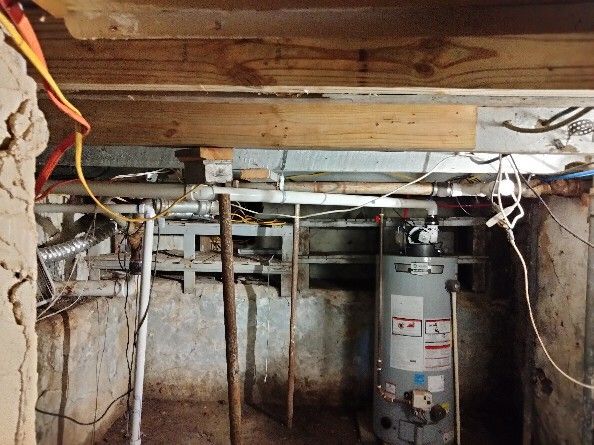
A crawl space is a hollow area between the ground and the first floor of your home. Typically ranging from 1 to 3 feet in height, it provides access to plumbing, electrical wiring, and HVAC systems. This space is crucial for maintaining your home’s structural integrity and utility operations.
Why Are Crawl Spaces Important?
Crawl spaces offer several benefits, including:
- Accessibility: They provide a convenient area to access and maintain major systems without disrupting the main living areas.
- Ventilation: Proper ventilation in crawl spaces can help control moisture levels, reducing the risk of mold and rot.
- Energy Efficiency: When properly insulated, crawl spaces can improve your home’s energy efficiency by reducing drafts and maintaining temperature.
Common Crawl Space Components Explained
To better understand your crawl space, it's essential to know the key components involved:
Foundation Walls
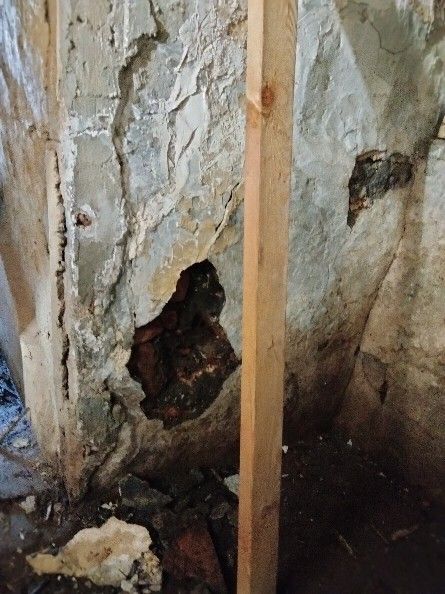
These are the walls that support your home and enclose the crawl space. They are typically made from concrete or masonry and play a critical role in the overall stability of your structure.
Vapor Barrier
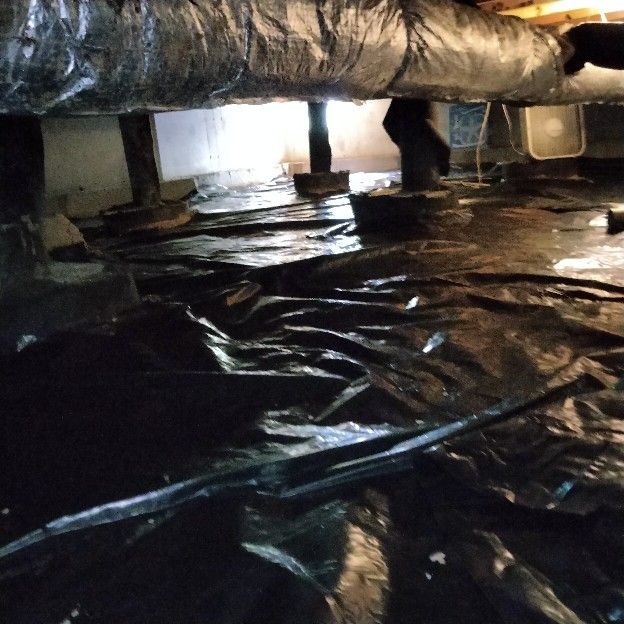
A vapor barrier is a plastic or foil sheet that covers the ground in your crawl space. It prevents moisture from the soil from entering your home, reducing the risk of mold and structural damage.
Insulation
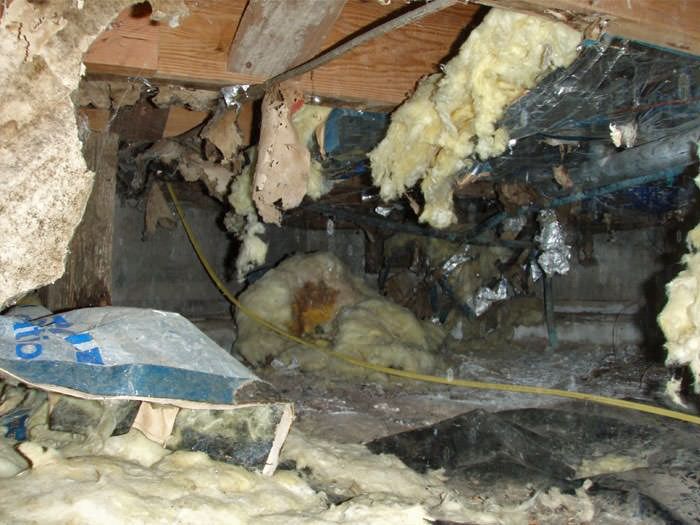
Insulation in crawl spaces helps maintain consistent temperatures, improving energy efficiency and comfort. Common materials include fiberglass batts, spray foam, and rigid foam boards.
Ventilation
Ventilation is crucial for controlling moisture levels. Properly placed vents allow for air circulation, which helps prevent mold growth and wood rot.
Common Crawl Space Problems and Solutions
Identifying issues early can save you time and money. Here are some common problems and their solutions:
Excess Moisture
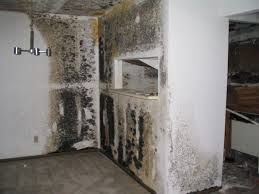
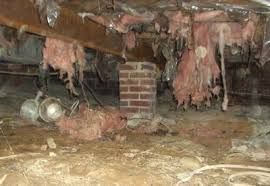
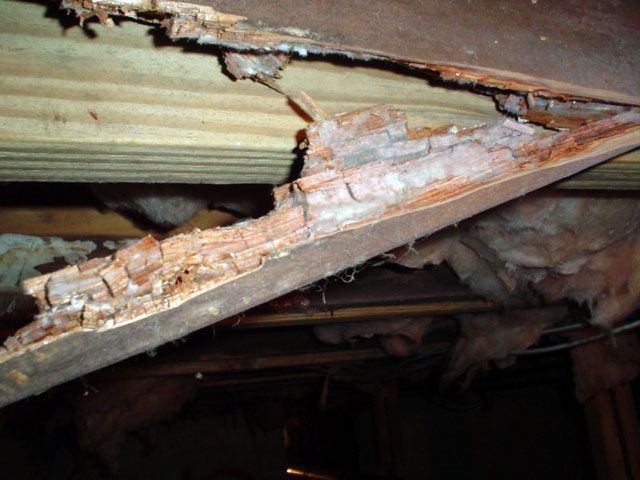
Too much moisture can lead to mold, mildew, and rot. A dehumidifier or improved ventilation can help control moisture levels. Installing a sump pump may also be necessary for severe cases.
Pest Infestation
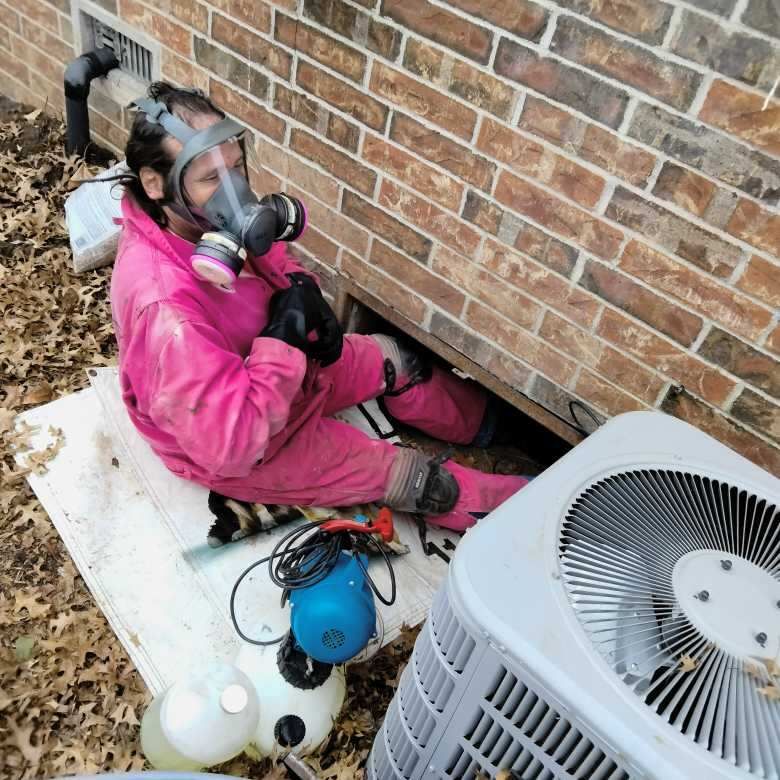
Crawl spaces can attract pests like rodents and insects. Regular inspections, sealing entry points, and using pest deterrents can help keep these unwanted visitors at bay.
Structural Issues
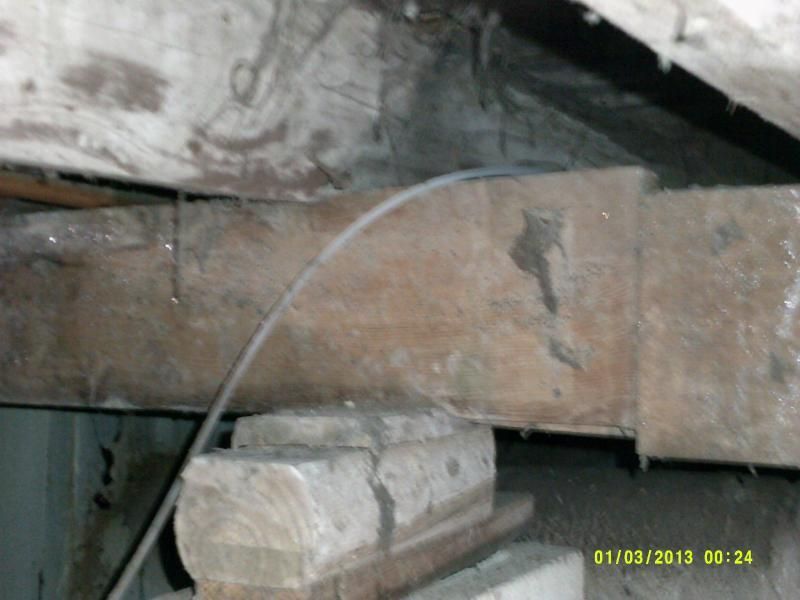
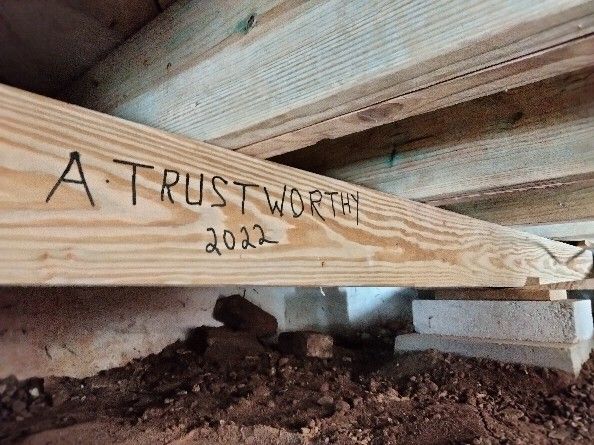
Cracks in foundation walls or sagging floors can indicate structural problems. Consulting a professional for repairs is crucial to ensure the safety and stability of your home.
Why Professional Crawl Space Services Matter
While some crawl space tasks can be DIY projects, many require professional expertise. A-TrustWorthy Crawl Space Service in Springfield, Missouri, offers comprehensive solutions tailored to your home’s needs. Our experienced team ensures that your crawl space is in optimal condition, improving your home’s longevity and efficiency.
Conclusion
Understanding the basics of crawl spaces can empower homeowners to make informed decisions about their home maintenance. By keeping an eye on this often-overlooked area, you can protect your investment and enhance your living environment. If you need assistance or have questions, A-TrustWorthy Crawl Space Service is here to help. Contact us today to ensure your crawl space is working for you, not against you.